
Hello everyone, it’s Caeleigh again!
We are so happy to see all of you engaging and posting on our aphasia group blog! Olivia, Christina, and I are enjoying your research about aphasia facts! This is what this blog is all about- sharing information and experiences. This is also a way to combat boredom!
Christina mentioned a movie on Netflix called My Beautiful, Broken Brain. We thought we would share information about this movie with you as something to reflect upon over the weekend if you get a chance to watch it. When Christina mentioned this movie, I thought, “ah yes, I love this movie!” I watched it a few years ago while getting my Bachelor’s degree at University at Buffalo during midterms week as a way to “take a break” (if you can call it that after watching this movie…) from studying. It reminded me all over again about why I chose to pursue being a speech-language pathologist- I just have such a heart for people with communication obstacles! I believe that access to communication is extremely important, and this documentary gave me an insight on experiences of someone who struggles with communication.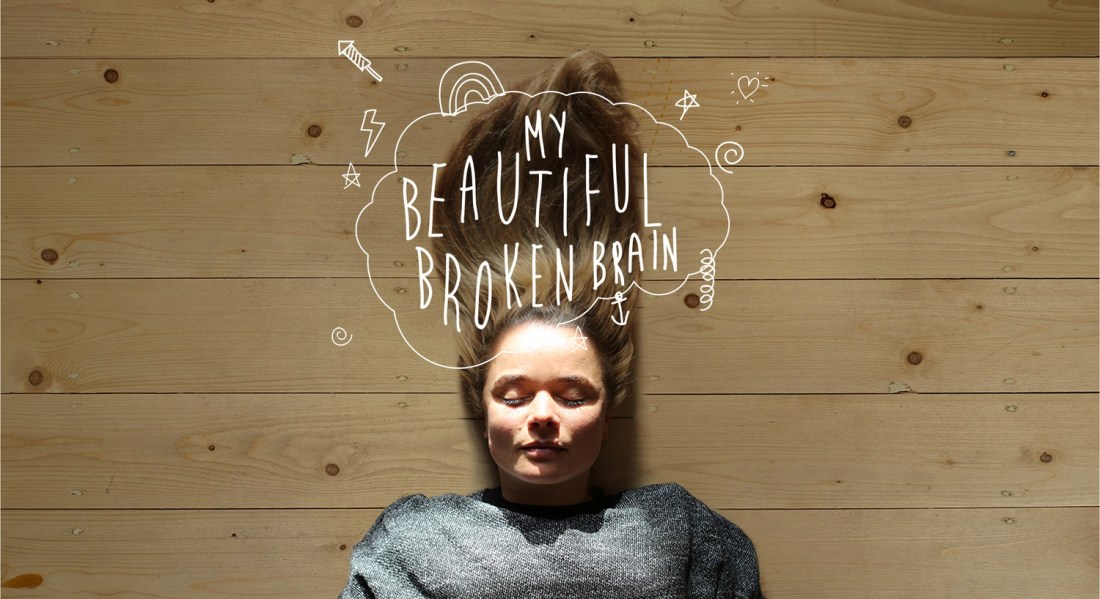
This documentary (a true story) is about a woman named Lotje Sodderland who suffered from a hemorrhagic stroke (i.e., brain bleed) as a result of a congenital vascular malformation (i.e., growth in the blood circulatory system that is present at birth) at the age of 34. She describes her experience of aphasia as if she is living in a David Lynch film. David Lynch is a film producer that creates movies and television series that are artistic and confusing. If any of you have seen Twin Peaks (a television show from the 1990s), this is a television series by David Lynch (also available on Netflix). It is quite a strange and other-worldly type of show, and one of my favorites! This is how Lotje describes her experience having aphasia. Ultimately, Lotje submitted her idea for this documentary to David Lynch and he produced My Beautiful Broken Brain. Throughout the duration of the film, Lotje describes different treatments she endures to improve her communication through speaking, reading, and writing. She also discusses her journey of embracing her world with aphasia. It is quite an incredible film!
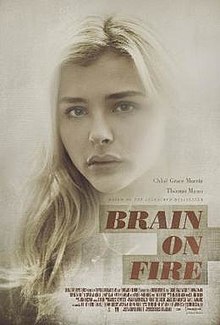
Another movie that I have seen that might spark your interest is called Brain on Fire, which is also available on Netflix. This movie is not about a person who has survived a stroke, but about a woman named Susannah Cahalan who suffered from an autoimmune disease that presented itself with similar symptoms of stroke. In this film, doctors were able to resolve her symptoms through medications. Although she may not have had the same diagnosis many of you may experience, this film is still an interesting story! It is based off of a memoir by Susannah Cahalan (so it is a true story too)!
Susannah slowly started experiencing symptoms such as hyper-sensitivity to sound and difficulty maintaining attention. Although she experienced symptoms some of you have not experienced (such as psychosis and hallucinations), she ultimately had difficulty with communication and left-visual field neglect (i.e., difficulty seeing the left side of your environment).
Maybe this is a different story than what you have experienced, but also interesting to bring awareness to other brain complications that someone might experience!
These movies may be something for you to engage in over the weekend! Grab some popcorn and a blanket, and bring your thoughts next Friday!
Caeleigh Heavey, B.A.
Graduate Student Clinician
 Buffalo State Stroke and Hope Aphasia Support Group
In the TV series “Orphan Black” the character Rachel acquires aphasia from having a pencil shot through her eye into her brain.
LikeLike