
Brian: Individual Therapy
Here is an update on my individual therapy. This semester I am working with a new clinician Anna. One of the things that’s new that we’re working on is having me bring up the conversational topics and topic switching (as opposed to being given topics to discuss). It’s very challenging to have long conversations without being asked questions, but I’m working on it.
Brian: Speech Therapy
Today’s round of #speechtherapy involved trying to carry on a conversation with SLP students while playing a game of Scrabble *and* being distracted by a TED talk. Or as I like to call it – my own personal hell.😉
Steve’s Story
-Glioblastoma
summer of ’94
-had burning sensation in face
-Had MRI
-Doctor called. I answered, but then he asked for my wife and told her I had a tumor.
-let it sink in. “what do I do now?”
-Dr. B told us it was serious and needed to taken out right away.
-had procedure. was in remission for a year and it came back in ’96
-had another operation
My Stroke
Saleemah – My stroke happened in 2017. I was in Buffalo General Hospital. I had 2 Ischemic strokes. My husband and kids were there the whole time. I have trouble reading, writing, speaking, and remembering. After a while, I started to get better. I stayed at my son’s home for two months. I attended Therapy at ECMC for 4 months. I have attended Therapy at Buffalo State for 2 semesters.
Courtney’s Bio, Game of Thrones, & Aphasia
Hi Everyone!
My name is Courtney, and I am one of the Buffalo State student clinicians for the Summer 2019 Intensive Aphasia Clinic. I am looking forward to working with you all this summer in group therapy! I just wanted to briefly introduce myself and share links to an interesting aphasia story I recently learned about.
About me: I grew up in Rochester, NY. My parents and my younger brother, Jacob, still live in Rochester. My younger sister, Emily, lives in Chicago. I earned a B.S. in Child and Family Psychology from John Carroll University in Cleveland, OH. Then, I was a full time AmeriCorps Volunteer for one year in Spokane, WA at an organization called L’Arche. Now, I live in Buffalo and have one more year of schooling before I will graduate with my M.S.Ed. in Speech Language Pathology (Woohoo!). I have a small, gray, cat named Margo. In summer, I like to kayak and go camping with my friends. In winter, I like to downhill ski with my brother. My all time favorite TV show is Game of Thrones.
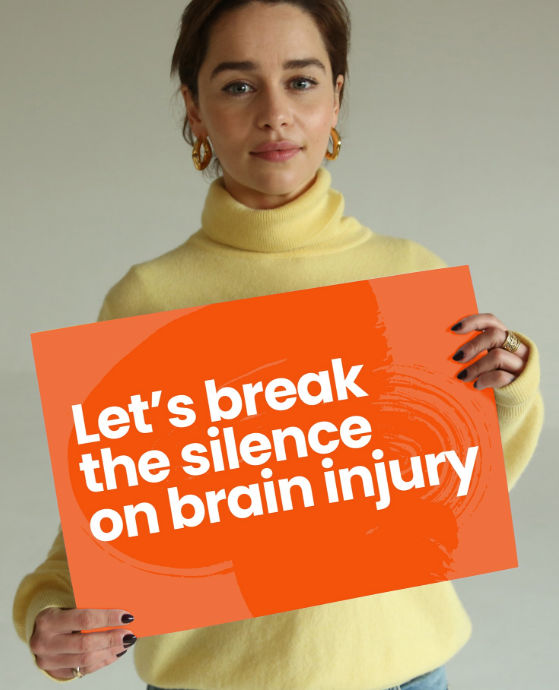
In March, Emilia Clarke (one of the main characters in Game of Thrones), publicly shared her personal experiences with brain injury and aphasia. While filming for the show, she experienced two separate brain aneurysms and hemorrhages. In her interview, she talks about the aphasia she experienced while she was in the hospital. Thankfully, her aphasia recovered fairly quickly and she was able to return to her acting career before they began filming the next season. You can read her full interview here: https://www.newyorker.com/culture/personal-history/emilia-clarke-a-battle-for-my-life-brain-aneurysm-surgery-game-of-thrones
Emilia Clarke has since founded an charity called SameYou. They are working to increase access to rehabilitation services for people who have had a brain injury or stroke. Check it out here: https://www.sameyou.org/
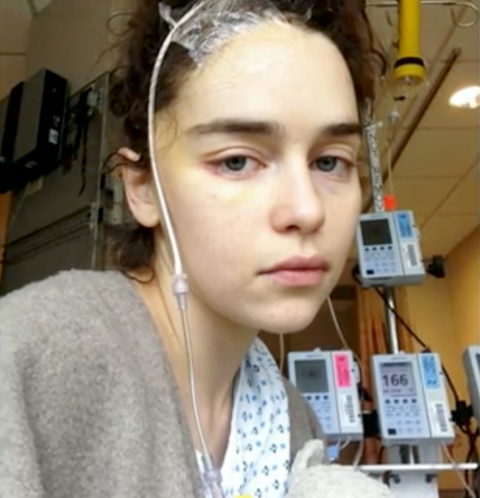

SPOILER ALERT: This is many seasons later in Game of Thrones (she is one of the few characters who makes it this far in the series!)
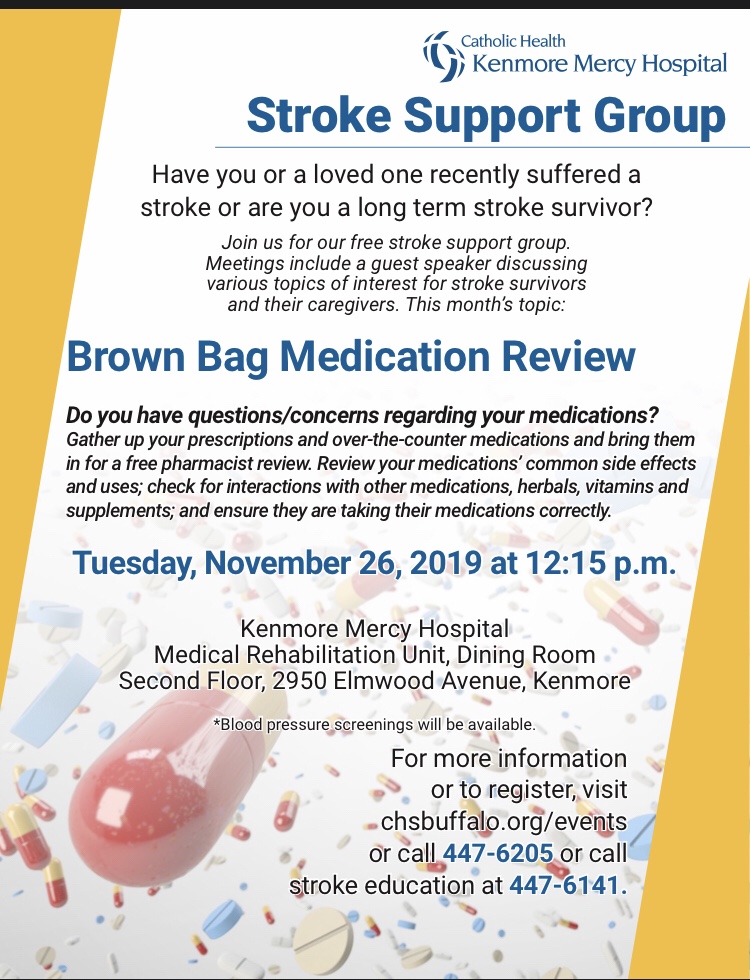
CHS Stroke Support Group
NORTHTOWNS’ SUPPORT GROUP TOPIC:
Behind the Scenes: Emergency Response During a Stroke (May 28)
Join EMS Liaison, Tom Scime to learn about the importance of emergency medical response in the event of a stroke.
Brian: ICFYB
Have you ever gotten the feeling that your neurologist and neurosurgeon are using too much medical jargon, talk about “plateaus”, or you just want to get suggestions on rehab from someone who uses plain language? The answer is clinical neuropsychologist Dr. Karen Sullivan, and her new book – I Care for Your Brain. It’s an interactive stroke recovery guide that contains 10 simple rules for rehab designed specifically for stroke survivors, and written in layman’s term. It’s only $27 and is available on her website. You can find more information here
Brian’s Post
Hey one good thing about being an AVM & Hemorrhagic stroke survivor is the free annual cranial CT scans for life.
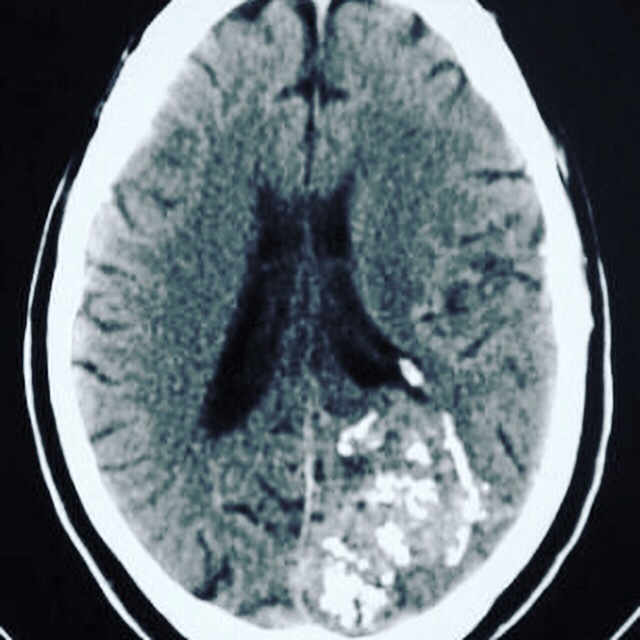
Note: this isn’t *my* brain scan (if it was, I would be in serious trouble).
60 minutes – Fronto-temporal dementia story 5-5-19
unsatisfactory!
Hi,
I watched 60 Minutes’s program on Fronto-temporal dementia (FTD)
https://www.cbsnews.com/news/frontotemporal-dementia-devastating-prevalent-and-little-understood-60-minutes-2019-05-05/ and was glad that they discussed it and showed a woman with the speech variant of FTD which is also called primary progressive aphasia (PPA). BUT they never identified the speech variant as PPA, nor did they mention any kind of communication help that can be provided. Maybe that information was left on the editing room floor but nonetheless I was very disappointed!
Debbie
 Buffalo State Stroke and Hope Aphasia Support Group